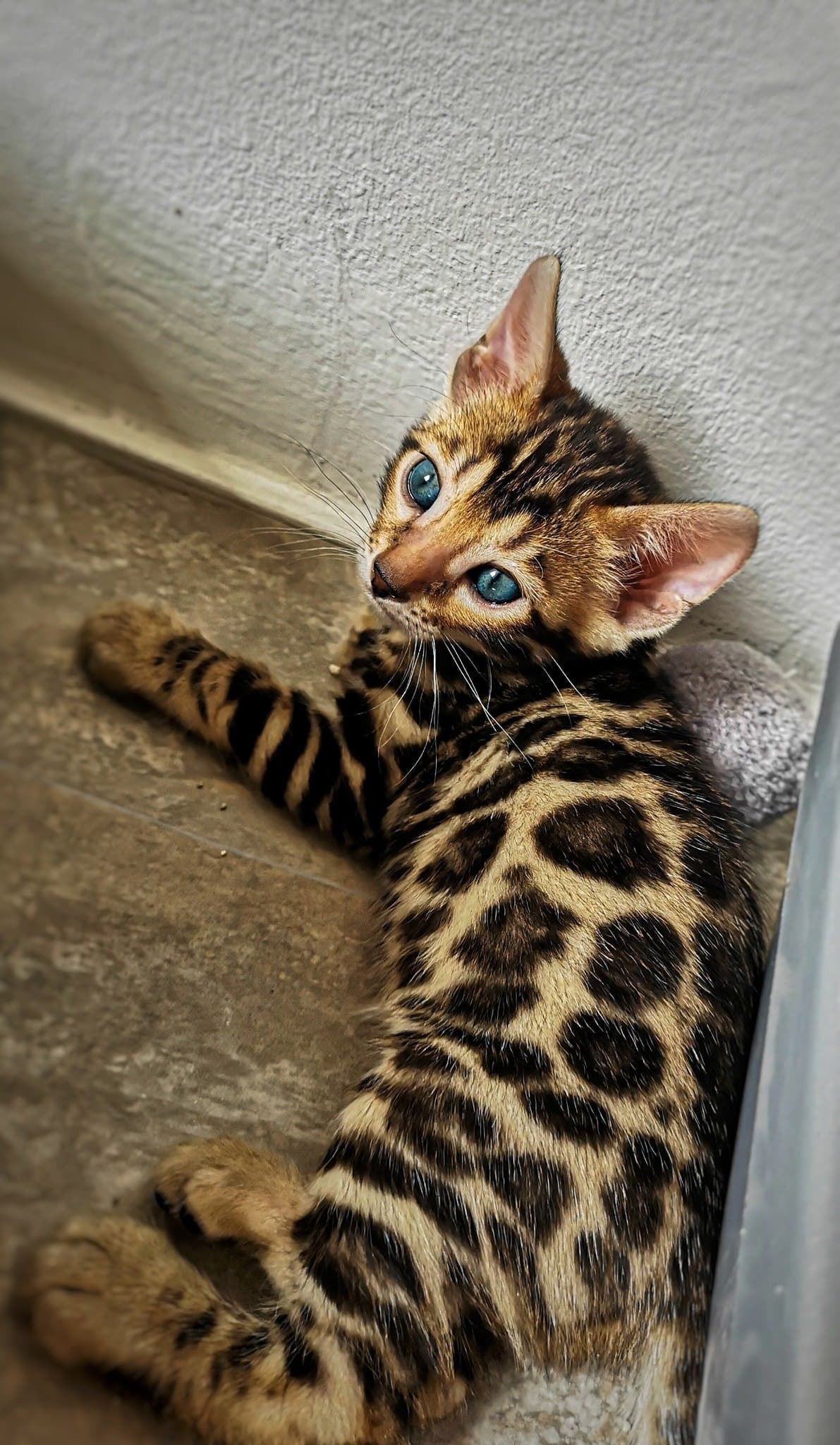
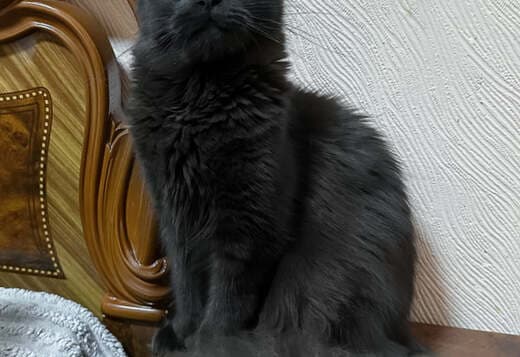
Who is this breed suited to?
A Maine Coon suits a household able to accommodate a large, active companion without equating size with toughness.
Daily time commitment
Plan shared games and climbing opportunities as well as companionship. The breed matures slowly, so assess growth and body condition with veterinary guidance rather than feeding to achieve the largest possible adult. Leave separate time for maintaining the long coat.
Coat and everyday care
CFA recommends combing several times weekly, paying particular attention to the longer underside, rear legs and tail. Work gently through hidden tangles before they tighten. Ask a groomer for help when mats cannot be removed comfortably; thick fur can conceal skin problems.
Challenges to plan for
Heart screening deserves careful interpretation. The recognised Maine Coon HCM DNA test detects a particular variant; a negative result does not rule out all hypertrophic cardiomyopathy. Large size also makes safe transport and cooperative handling important before the cat reaches maturity.
How does it compare?
The Norwegian Forest Cat is a useful longhaired comparison. Its straighter profile and triangular head differ from the Maine Coon's square muzzle, while both need substantial climbing equipment and coat attention. Neither appearance establishes an identical temperament.
Questions to ask a breeder
Ask for dated parental heart-screening reports, the HCM genetic result and an explanation of follow-up cardiac assessment, plus hip-screening information. Discuss family health and kitten growth records. Health documentation should be tied to each parent, not replaced by a promise of giant size.
Sources and further reading
Reviewed October 2026. Breed tendencies do not predict an individual cat. Age, health, upbringing and environment all affect care and behaviour.