
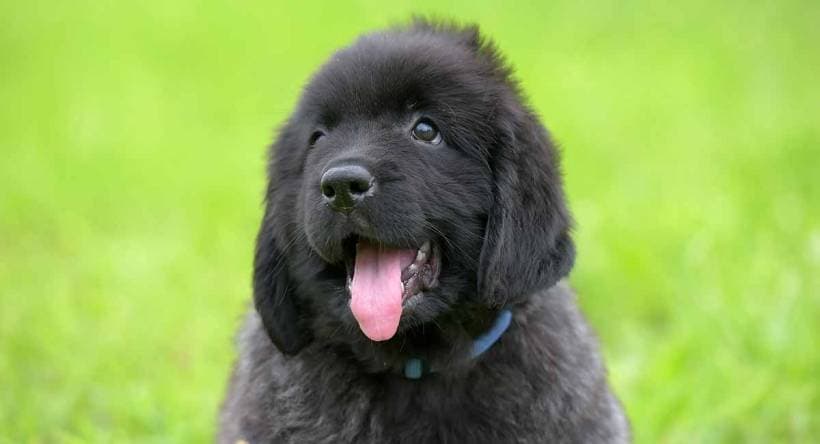
The Newfoundland is a large working dog associated with Canada's Atlantic coast and a long tradition of helping people around water. Many are gentle companions, but no breed description can guarantee an individual's behavior. Their strength, coat and size bring significant practical responsibilities.
A maritime working history
The breed takes its name from Newfoundland, where dogs helped coastal communities with tasks such as hauling and retrieving. Its precise ancestry is not a simple, fully documented sequence of crosses. Claims that it certainly descended from one particular Asian or European breed should be treated cautiously.
The American Kennel Club's Newfoundland profile describes the breed's working heritage and modern characteristics. As the dogs became known beyond their home region, enthusiasts developed formal standards and breeding records. That documented breed history should be distinguished from older stories about similar dogs.
Newfoundland and Landseer terminology
Black-and-white Newfoundlands are often called Landseers, a name associated with the artist Edwin Landseer. However, the FCI also recognizes the Landseer of European Continental Type as a separate breed. These uses of the same name can confuse buyers comparing international advertisements.
Check the actual breed and registry on the dog's records rather than relying on coat color. Recognized Newfoundland colors differ between registries, and an unusual color should not outweigh health, temperament or responsible breeding practices.
Temperament and family life
Many Newfoundlands enjoy close contact with their families. Their reputation for patience is not a substitute for supervising children or teaching gentle interactions. A large dog can knock someone over without intending harm, especially while young and excited.
Teach calm greetings, walking on a loose leash, settling and cooperative grooming early. Reward-based lessons are easier to manage before the puppy reaches adult strength. Provide space to withdraw from visitors and protect the dog's rest and meals from disturbance.
Not every Newfoundland will enjoy travel, unfamiliar dogs or every form of handling. Introduce new experiences gradually and judge the individual's response. Sudden irritability, withdrawal or reluctance to move should prompt consideration of pain or illness.
Water ability is not a safety guarantee
Many Newfoundlands are capable swimmers, and trained dogs participate in water work. That does not make a household pet a substitute for a lifeguard. Never leave a child in water under the supposed supervision of a dog or assume that an untrained animal will rescue someone.
Introduce water gradually in a safe setting with easy exits. Consider currents, water quality, weather and the dog's fitness, and use suitable safety equipment. Do not throw a reluctant dog into water or let enthusiasm carry it beyond a safe distance from shore.
Coat care and warm weather
The dense double coat needs thorough regular grooming, with extra work during shedding. Check behind the ears, around the legs and other friction areas for mats. Brushing only the surface can leave tangles close to the skin unnoticed.
Bathe when needed with a suitable product and dry the coat carefully, especially after swimming. Check the ears and skin for irritation. A groomer familiar with the breed can demonstrate manageable tools and techniques; the dog's comfort matters more than a rigid grooming calendar.
Heat can be difficult for a heavily coated giant dog. Provide cool indoor space, water and shade, and choose cooler times for activity. Access to a pond is not a complete heat-management plan. Labored breathing, weakness or collapse requires urgent veterinary attention.
Growth, food and exercise
Growing Newfoundlands need a complete diet appropriate for giant-breed puppies and controlled portions. Extra calcium or attempts to produce rapid growth can be harmful. Review weight and body condition with the veterinary team instead of using maximum size as a goal.
Provide age-appropriate activity on secure footing, with opportunities to rest. Avoid forced distance running, repetitive jumping and heavy load pulling while the puppy is developing. Swimming can be useful for some dogs, but its suitability and intensity still depend on health and age.
Adults need regular activity and should remain lean enough to move comfortably. A Newfoundland is not automatically lazy, and unexplained exercise intolerance should be assessed. Adapt walks and home access as the dog ages rather than expecting it to cope with the same routine indefinitely.
Health checks and practical planning
Ask a breeder for documented screening appropriate to the breed, including heart and orthopedic assessments and relevant inherited-condition testing. Discuss the actual results with a veterinarian. A reassuring description such as "vet checked" is not equivalent to a full breeding-health assessment.
Budget for substantial food, grooming, medication and transport costs. Plan for non-slip flooring, a supportive bed and a way to move an ill adult dog. The appeal of a fluffy puppy should be matched by a realistic commitment to the large companion it will become.


