
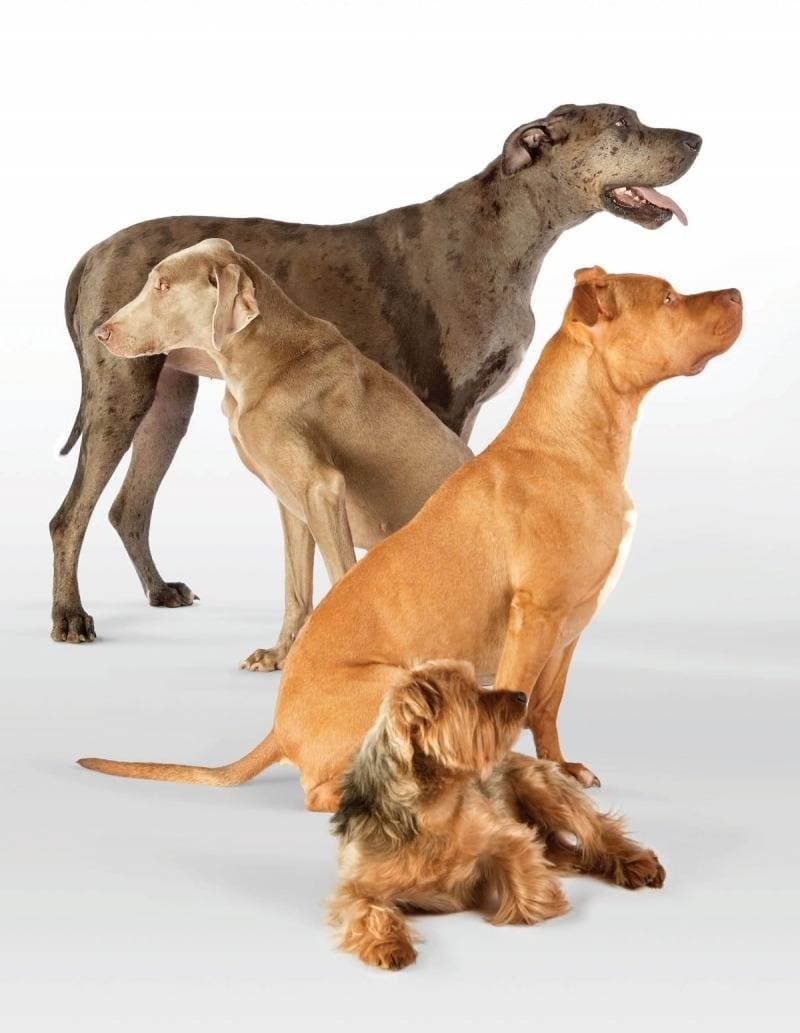
Breed descriptions can help you ask better questions, but they cannot predict every dog’s personality. Inherited tendencies interact with health, learning and experience. “Friendly,” “protective” or “easy to train” only becomes useful when you connect it to ordinary life: visitors, walks, time alone and the people who will provide care.
Active companions need an outlet
Labrador Retrievers, Dalmatians and Boxers often appeal to families seeking an energetic companion. Plan for training and appropriate activity rather than assuming enthusiasm will turn into good manners by itself. A lively greeting from a large dog can overwhelm a small child even when the animal is being playful.
Ask how the individual settles after activity, responds to new places and walks on a leash. A puppy’s behavior in one short visit is only a glimpse. For an adult, observations from a foster home can be particularly helpful when they describe a routine similar to yours.
Guarding descriptions need practical planning
Akitas and Rottweilers are often discussed in terms of confidence and guarding tendencies. American Staffordshire Terriers are strong, active dogs whose suitability also depends on the individual and household. None of those labels establishes safety with unfamiliar people or animals.
Think about deliveries, overnight guests and access through gates. Can an adult secure the dog comfortably while a visitor enters? Does the household have the patience to introduce changes gradually? “Loyal” is not a substitute for a workable management plan.
Hunting instincts do not disappear indoors
Afghan Hounds and Dachshunds come from hunting backgrounds, though their size and daily care differ greatly. A strong interest in movement or scent can affect recall and interactions with small animals. Use secure exercise areas and ask specifically about any history with cats or other pets.
Do not test compatibility by releasing unfamiliar animals together. Separate spaces and carefully managed introductions give everyone a safer starting point. An owner who can interrupt excitement before it escalates has more options than one relying on a shouted command after a chase begins.
Size and coat change the workload
Great Danes and Mastiffs need equipment, transport and a budget that fit a very large animal. A calm adult still requires movement, training and a comfortable resting place. Calling a giant dog a “large toy” overlooks both its needs and its ability to knock someone over.
Spitz-type dogs vary widely in size and background; the word describes more than one breed. Ask about barking, coat care and exercise for the specific dog. A fluffy appearance does not tell you how easily it settles in an apartment.
Compare the dog with your actual week
Write down who handles morning walks, lunchtime care, grooming and appointments. Include rainy days and busy periods. Meet adult examples of a breed and ask owners what takes more work than they expected. These conversations often reveal more than a list of flattering adjectives.
For any breed, request health records and relevant parental screening when buying a puppy. Use a reputable rescue or breeder willing to discuss limitations as well as strengths. Favor a suitable temperament and sound care history over an unusual color or dramatic promise.
Keep expectations fair
Train useful behaviors in small steps and supervise children with every dog. A breed reputation never makes a pet a babysitter. The best match is an animal whose needs your household can meet consistently, with room for the personality that develops as you get to know each other.


