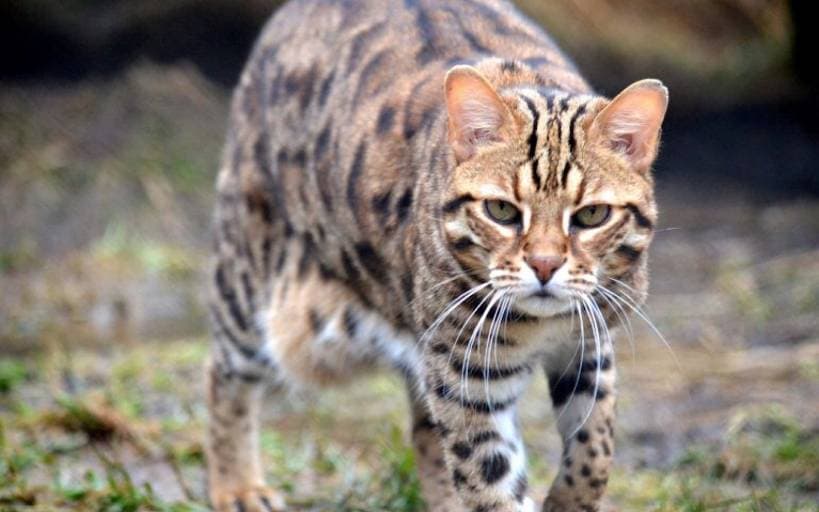
The Ocicat looks like a small wild spotted cat, but it was developed from domestic breeds. Its ancestry includes Siamese, Abyssinian and American Shorthair cats, rather than an ocelot or another wild species. The Cat Fanciers' Association describes the breed's development and distinctive appearance. The name is a visual reference, not evidence of wild-cat parentage.
Appearance without the myths
Ocicats have an athletic build and a short spotted coat. Individual size and markings vary, and appearance alone cannot establish a cat's pedigree. If breed registration matters to you, check the actual documents rather than accepting a resemblance as proof.
A short coat does not mean a cat never sheds or cannot trigger allergies. No breed can guarantee an allergy-free home. Someone with cat allergies should seek appropriate medical advice and carefully consider their own response before committing to an animal.
Activity and companionship
Many Ocicats enjoy involvement in household life and interactive play. Offer sturdy climbing places, scratching surfaces, hiding spots and a choice of resting areas. A high perch gives a cat somewhere to observe visitors without being expected to greet them. Arrange resources so another pet cannot block access to food, water or a litter box.
Use short play sessions that let the cat stalk, chase and catch a suitable toy. Put away strings and wand toys after use, and avoid making hands or feet the target. Puzzle feeders can provide another outlet when introduced at an easy level using part of the normal food allowance.
Learning at the cat's pace
Some Ocicats enjoy learning a hand target, entering a carrier or coming to a familiar cue. Reward small steps and stop before the cat loses interest. A breed's reputation for intelligence does not make every individual eager to travel, walk on a lead or perform tricks.
Introduce a carrier as ordinary furniture, with comfortable bedding and rewards inside. Harness training, if attempted, should begin indoors with well-fitted equipment. Never drag a reluctant cat outdoors or assume that an active breed needs to roam freely. A secure enclosure can provide outside sights and smells with controlled access.
Routine care
Gentle brushing helps remove loose hair and provides a chance to check the skin. Look at nails, teeth and ears during calm handling, but do not force a long grooming session when the cat is uncomfortable. A sudden decline in self-grooming or tolerance of touch may indicate pain and deserves veterinary attention.
Feed a complete diet suitable for life stage and health, with measured portions and fresh water. Follow weight and body condition rather than judging nutrition by how enthusiastically the cat asks for another meal. Regular veterinary examinations and an individualized vaccination and parasite plan remain important for indoor cats too.
Choosing an Ocicat
Ask a breeder about relevant health screening, the parents' history and how kittens are socialized. Request veterinary records and a clear agreement, and meet the cats in their normal environment where possible. A rescue organization may also help match an adult to your household.
Consider your schedule honestly. Daily attention and a stimulating environment matter more than an impressive coat pattern. If you already have pets, make introductions gradually with separate resources and places to retreat. A successful match allows this individual cat to feel secure, rather than expecting it to fulfill every cheerful description of the breed.